
Health in short
The essentials, but see a travel clinic six to eight weeks ahead.
Compulsory vaccination?
Yellow fever only, and only from risk countries.
Malaria?
Yes, everywhere including Zanzibar. Take prophylaxis.
Tap water?
No. Bottled or filtered only.
Insurance?
Compulsory, and must cover evacuation.
Climbing Kilimanjaro?
Policy must cover trekking to 6,000 m.
When to see a doctor?
Six to eight weeks before you travel.
Before anything else
With that said, here is what most travellers to Tanzania need to think about.
Vaccinations
Required in one specific case
Yellow fever is the only vaccination that is a legal entry requirement, and only if you are arriving from, or have transited more than 12 hours through, a country with yellow fever risk. Direct flights from Europe do not require it; a long layover in Nairobi or Addis Ababa may.
Recommended
| Vaccination | Why | Who |
|---|---|---|
| Hepatitis A | Food and water transmission | All travellers |
| Typhoid | Food and water transmission | Most travellers |
| Tetanus, diphtheria, polio | Routine boosters | Check you are current |
| Hepatitis B | Blood and bodily fluids | Longer stays |
| Rabies | Animal bites | Long rural stays, or working with animals |
| Meningitis ACWY | Seasonal risk in parts of Africa | Ask your doctor |
Malaria: the one that matters most
Malaria is present throughout Tanzania, including Zanzibar. Risk is lower at altitude (Arusha, Ngorongoro and the Serengeti highlands) and higher on the coast and in the low-lying southern parks such as Nyerere and Mikumi.
Prophylaxis
Your doctor will prescribe one of the standard options (atovaquone/proguanil, doxycycline or mefloquine), each with different dosing schedules and side effects. Take it exactly as directed, including the doses after you return, which is the part people forget.
Bite prevention matters just as much
No prophylaxis is 100% effective, so the physical measures are not optional:
Food and water
Travellers' diarrhoea is the most common complaint, and it is usually mild. Bring rehydration salts and an anti-diarrhoeal, and see a doctor if it lasts more than a couple of days or involves fever or blood.
Altitude
Most safari travellers will not have altitude problems, but two places are worth knowing about.
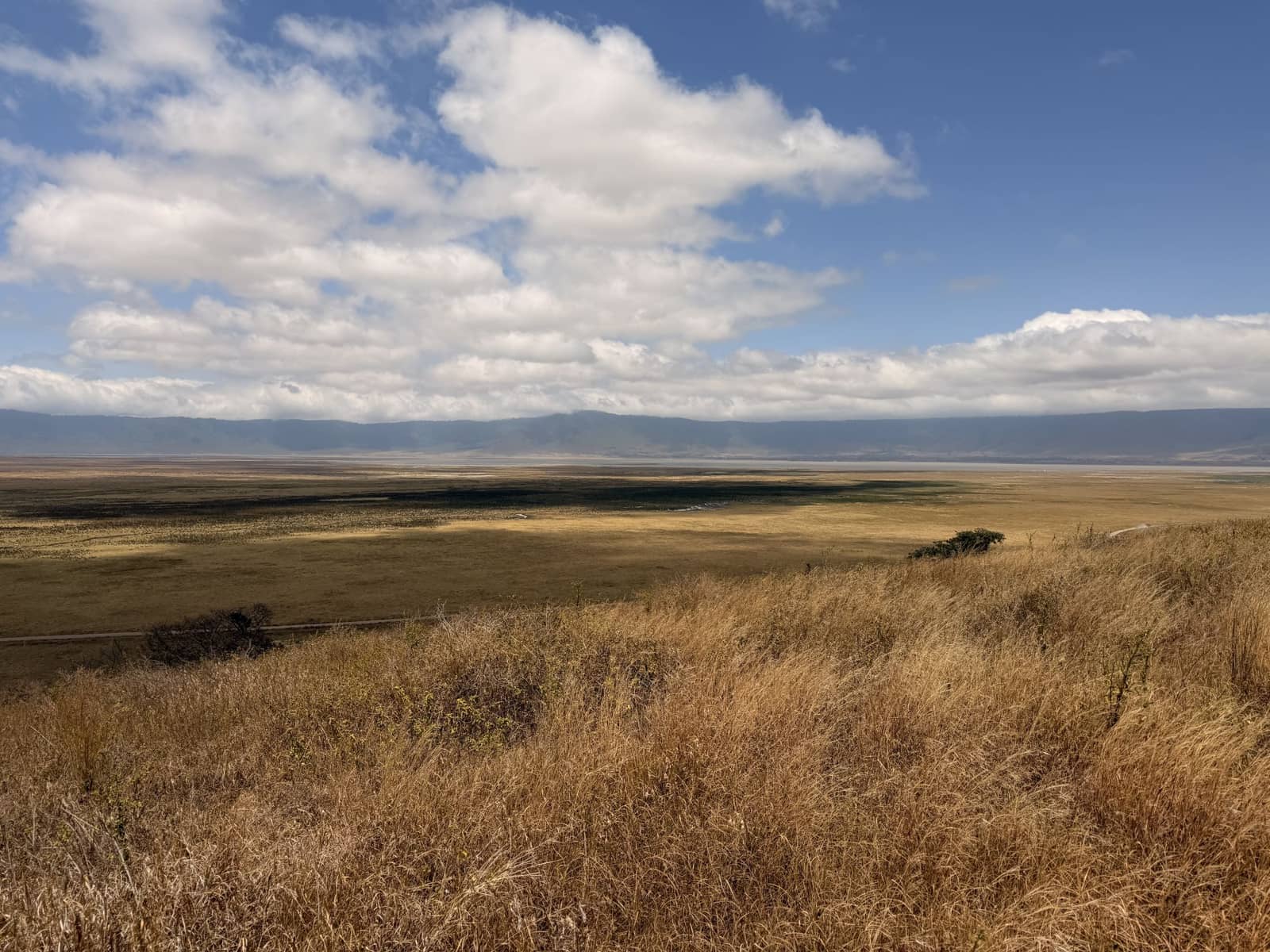
The Ngorongoro rim sits at 2,200–2,400 m. A mild headache on the first night is common. Drink more water than you think you need and it usually passes.
Kilimanjaro is a different matter entirely. At 5,895 m there is roughly half the oxygen available at sea level, and altitude sickness is the main reason climbs fail. Symptoms, prevention and the warning signs are covered in detail on our Kilimanjaro guide.
Travel insurance
Travel insurance is <strong>compulsory</strong> on our trips, and this is not a formality. Inside the parks the nearest hospital can be hours away by road, and serious cases are flown to Arusha, Dar es Salaam or Nairobi. Medical evacuation costs many thousands of dollars.
Your policy must cover:
For Zanzibar, remember the separate mandatory local insurance (~$44) introduced in 2024, which your normal policy does not replace.
Other practical health points
Health and vaccinations: frequently asked questions
Yellow fever is a legal requirement only if you arrive from or transit a risk country. Hepatitis A and typhoid are recommended for most travellers, along with routine tetanus, diphtheria and polio boosters. See a travel clinic six to eight weeks ahead.
Only if you are arriving from, or have transited more than 12 hours through, a yellow fever risk country. Travellers flying directly from Europe do not need it, but a long layover in Nairobi or Addis Ababa may trigger the requirement.
Yes, throughout the country including Zanzibar. Risk is lower at altitude in Arusha and the Ngorongoro highlands, and higher on the coast and in the low-lying southern parks. Prophylaxis plus bite prevention is the standard approach.
That is a decision for your doctor. The common options are atovaquone/proguanil, doxycycline and mefloquine, each with different dosing and side effects. Take the full course including the doses after you return home.
Yes. Zanzibar is a malaria area and being on the coast means the risk is higher than in the northern highlands, not lower. Take the same precautions there as on safari.
No. Drink bottled or filtered water only, avoid ice where you are unsure of the source, and peel your own fruit. Drinking water is provided in our vehicles throughout every game drive.
Yes, it is compulsory on our trips. It must cover medical expenses and emergency evacuation, because the nearest hospital to a park can be hours away and serious cases are flown out at considerable cost.
If you are climbing Kilimanjaro or Mount Meru, yes, it must explicitly cover trekking to 6,000 m. Many standard travel policies exclude high-altitude activity, and this is the most common gap we see.
Tell your guide immediately. Guides carry first-aid kits and know the nearest facilities. Arusha and Moshi have good private clinics; from remote parks, serious cases are evacuated by air, which is what your insurance is for.
Rarely. The Ngorongoro rim at 2,200–2,400 m can cause a mild headache on the first night, usually resolved by drinking more water. Kilimanjaro is an entirely different matter and is covered in our Kilimanjaro guide.
The bite is painful but sleeping sickness is not a practical risk in the main tourist areas. They are present in Tarangire and the southern miombo woodland, and are attracted to dark blue and black clothing.
Not unless your guide confirms it is safe. Bilharzia is present in some fresh water, and hippos and crocodiles are present in much of it. Lodge pools are fine, and the hot springs at Maji Moto in Nyerere are safe to swim in.
See a doctor immediately and tell them you have been in a malaria area. Malaria can appear up to twelve months after exposure, most commonly within three months. It is entirely treatable when caught early.