Fill in the details below and our team will reply within 24 hours with availability and an exact price.
The Ultimate In-Depth Tanzania Budget Safari Guide
Everything you need before you book: real park fees, honest accommodation prices, local secrets, and, once you know what you're paying for, our trusted, no-hidden-fees packages.
Licensed Tour Operator Best Price Guarantee 24/7 Support Modern 4×4 Fleet 100% Local Guides Transparent Pricing
Tanzania is not just another safari destination. It is the safari destination. With over 20 national parks, the largest concentration of wildlife on the planet, and the legendary Great Migration, Tanzania offers a safari experience that is unmatched anywhere else in the world.
But here's the truth most travel companies won't tell you: Tanzania can be done on a budget. Not a "backpacker" budget, but a comfortable, authentic, unforgettable safari that won't break the bank. The secret is understanding the system: park fees, accommodation tiers, seasonal pricing, group dynamics, and local knowledge.
This guide comes from our own team of Arusha-based guides. It's the guide we wish every traveler read before requesting a quote, because once you understand where the money goes, you'll know exactly what a fair price looks like.
What makes this guide different: Every figure here comes from real experience: our own vehicles, our own routes, our own negotiated prices at every campsite and lodge. This is not theory, it's the practical knowledge of a local operator who lives and works in Tanzania.
Read moreRead less
Quick Answer: How Much Does a Tanzania Budget Safari Cost?
Straight to the point
A budget safari in Tanzania typically costs $150–$300 per person per day. The range depends on a few factors:
Group size: more people means a lower per-person cost: a group of 6 can pay as little as $150 per person per day.
Season: the green season (March–May) offers the lowest rates; the dry season (June–October) is more expensive.
Accommodation type: camping is the most affordable option; tented camps and lodges increase the cost.
Parks visited: Serengeti and Ngorongoro have higher fees than Tarangire or Lake Manyara.
Vehicle type: group sharing is cheaper than a private vehicle.
From $150
For a 3-day safari, budget roughly $550–$750. For a 5-day safari, expect $1,000–$1,500. For a 7-day safari, budget $1,300–$2,000.
Pro tip: the single biggest factor in keeping costs down is group size. Travel with 4–6 people and you'll save 20–40% compared to a private safari. The second biggest factor is season: the green season offers the best value.
Trusted Safari Packages: Book With Confidence
Pick your adventure
We understand booking a safari is a big decision. That's why every package below is built with complete transparency, no hidden fees, and a commitment to quality. Every package includes:
Professional driver-guide, fluent in English
Modern 4×4 safari vehicle with pop-up roof
Park entry fees and conservation levies
Accommodation as specified: camping, tented camp or lodge
Full board meals and drinking water
24/7 support and free cancellation up to 14 days before departure
Camping fees, tented camp, or lodge, varies by type
15–20%
Meals
Full board: breakfast, lunch (often bush picnic), dinner
10–15%
Guide & staff
Your guide's expertise, spotting skills, safety training
8–12%
Insider secret: park fees make up 30–40% of the total cost. This is why choosing the right parks matters. A 5-day safari with Serengeti and Ngorongoro will have about $300–$400 in park fees alone; a 5-day safari with Tarangire, Manyara and Arusha NP will have about $150–$200.
Parks Deep Dive: Fees & Best Time
Where the wild things are
Every park has its own entry fee, character and ideal season. Here is an honest breakdown of the parks we run safaris to most often.
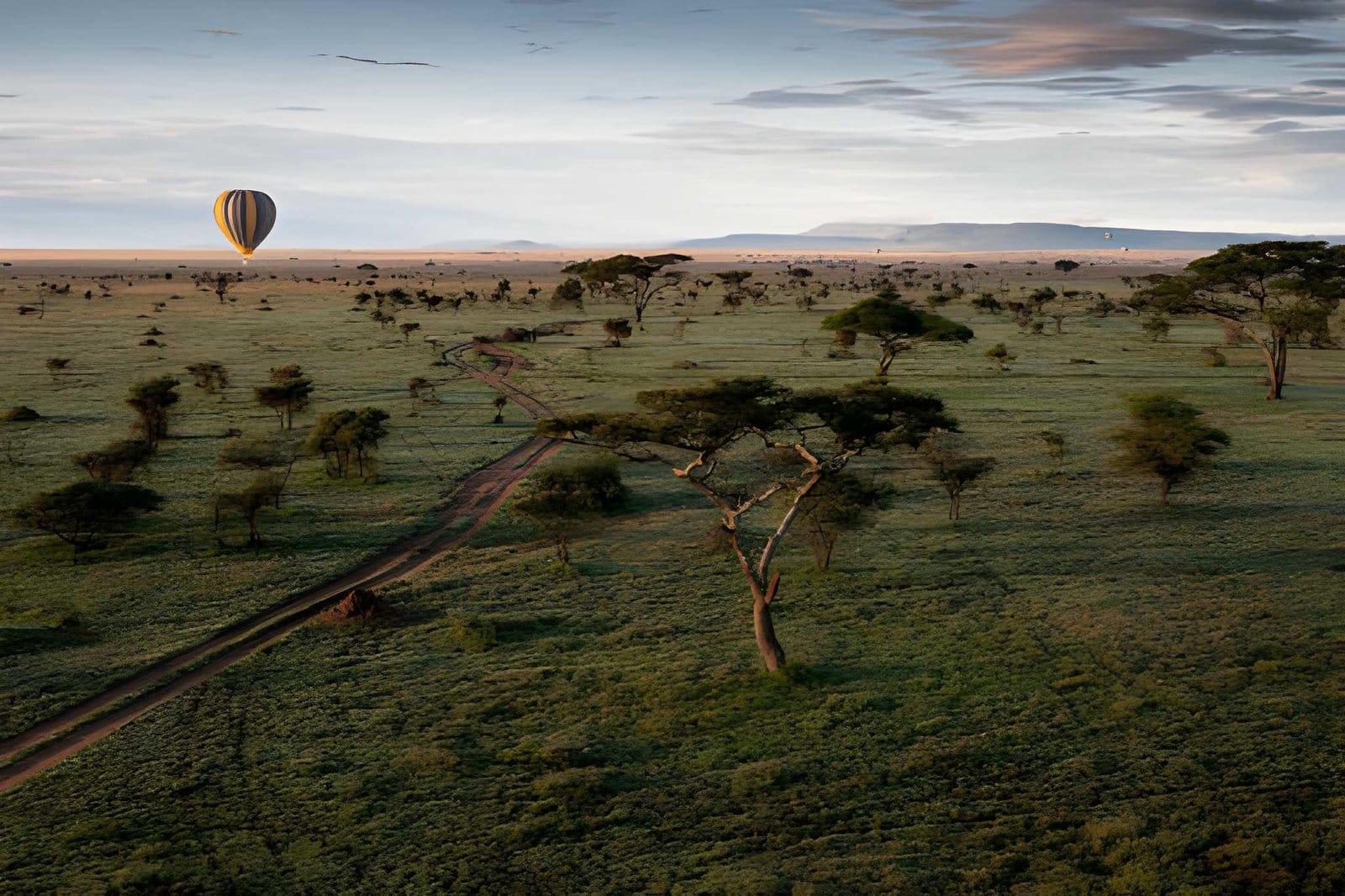
Serengeti
$$$
Entry: $82/day
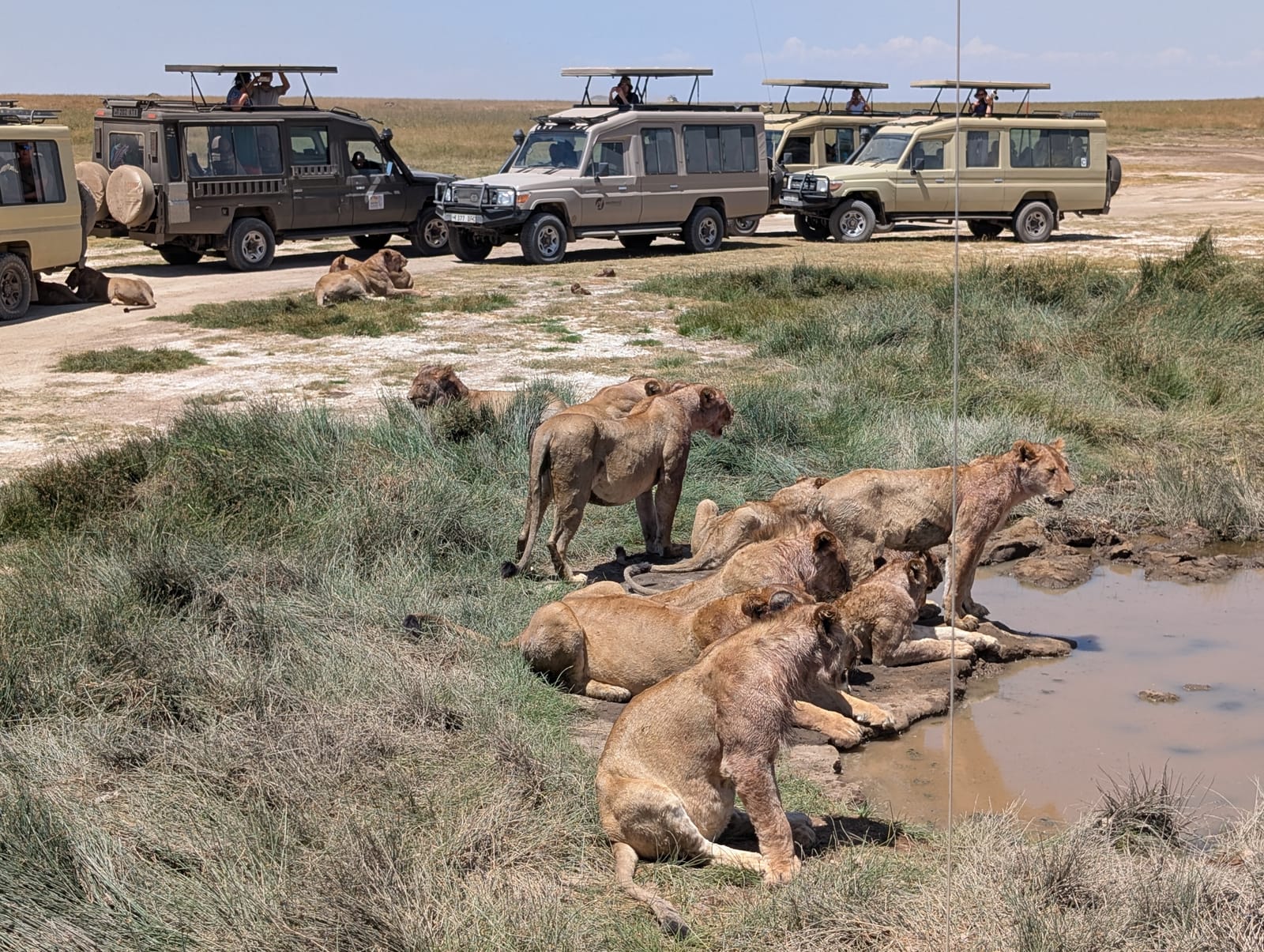
The world's most famous park. Endless plains, the Great Migration, and the highest density of predators on Earth.
Best time: Dec–Jul for migration, Aug–Oct for river crossings. Recommended: 2–4 nights.
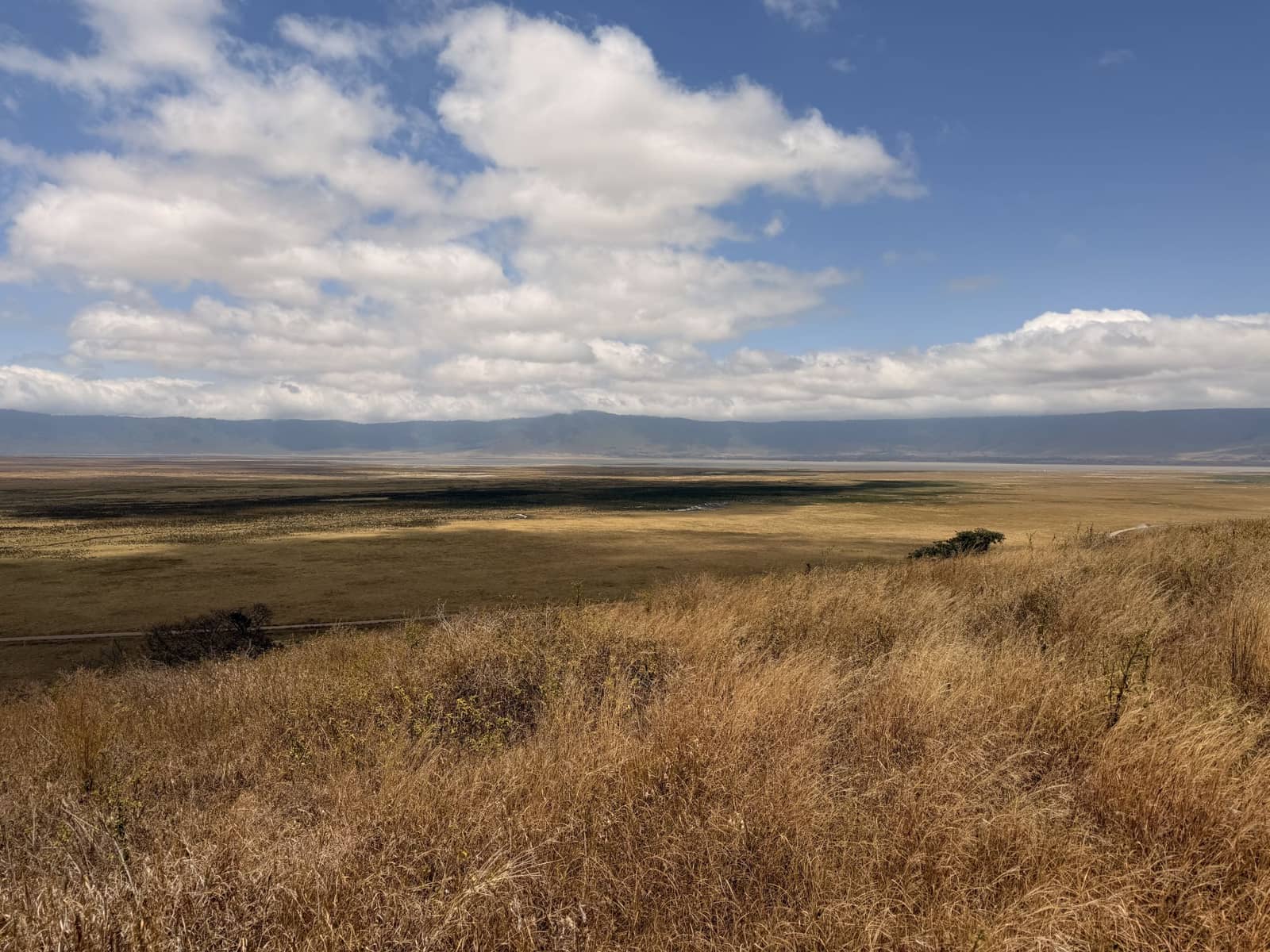
Ngorongoro Crater
$$$
Entry: $71/day + $295 crater
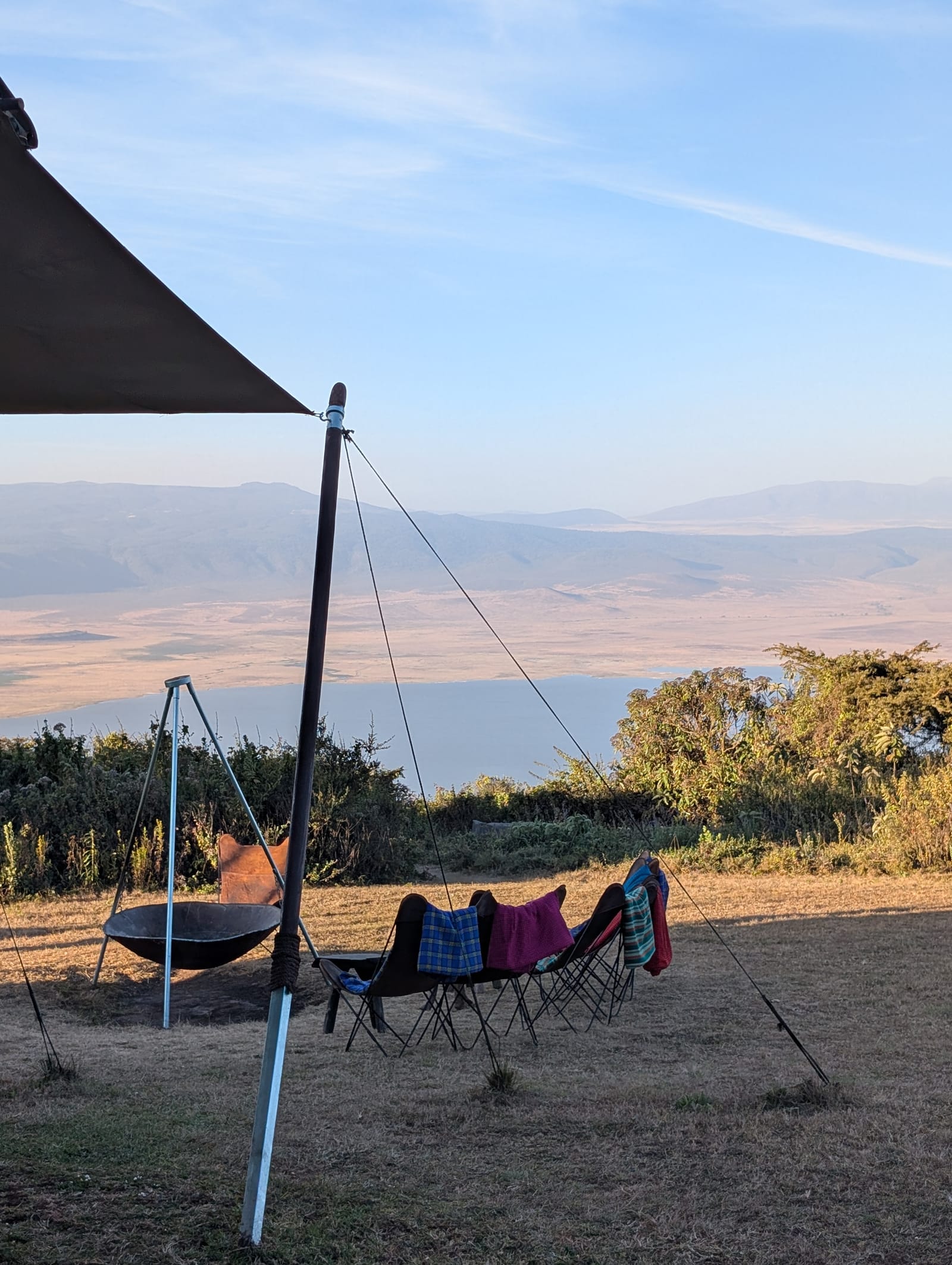
A natural amphitheatre with the highest density of wildlife in Africa: all Big Five present, including black rhino.
Best time: year-round. Recommended: 1–2 nights.
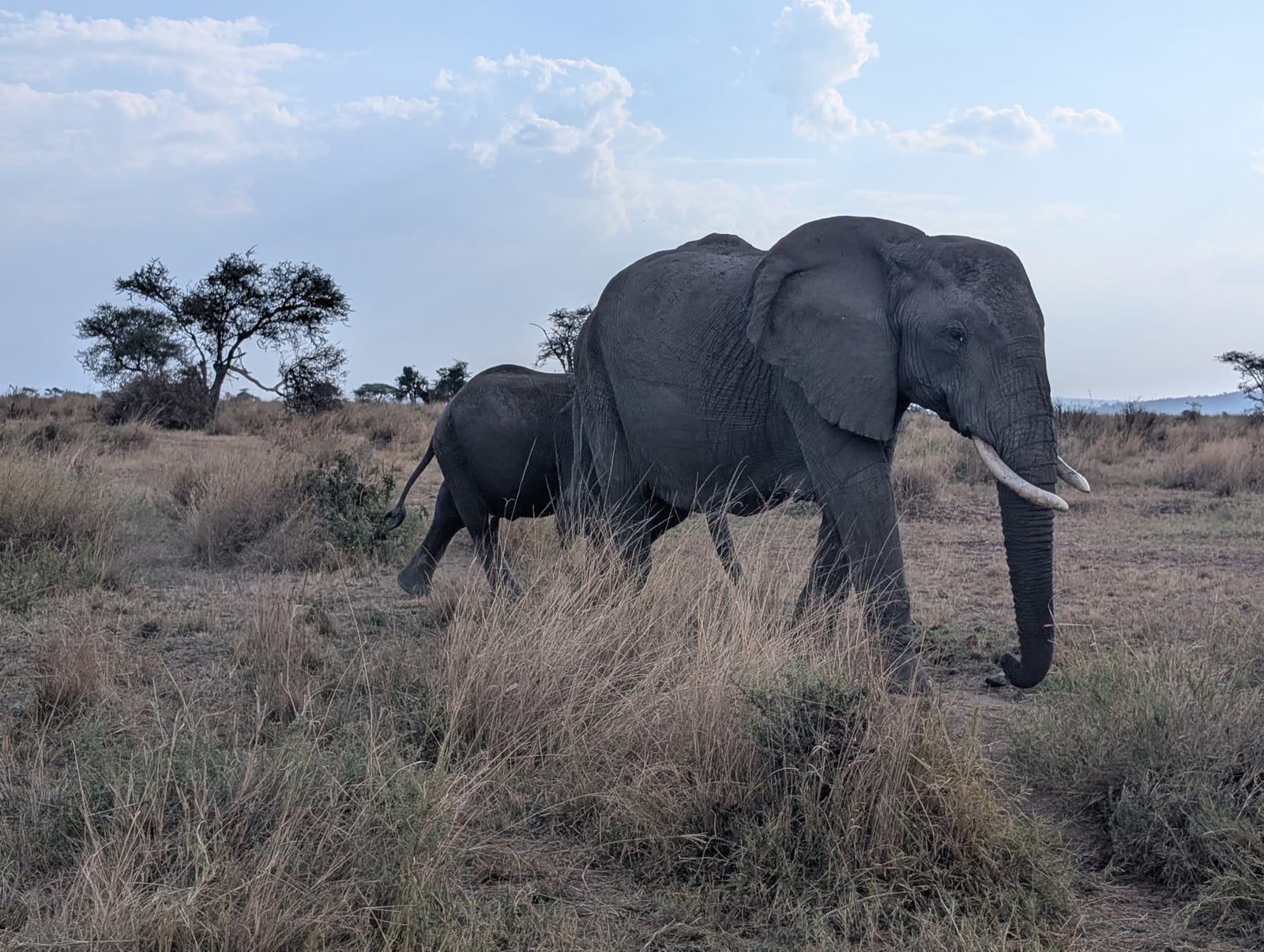
Tarangire
$$$
Entry: $53/day
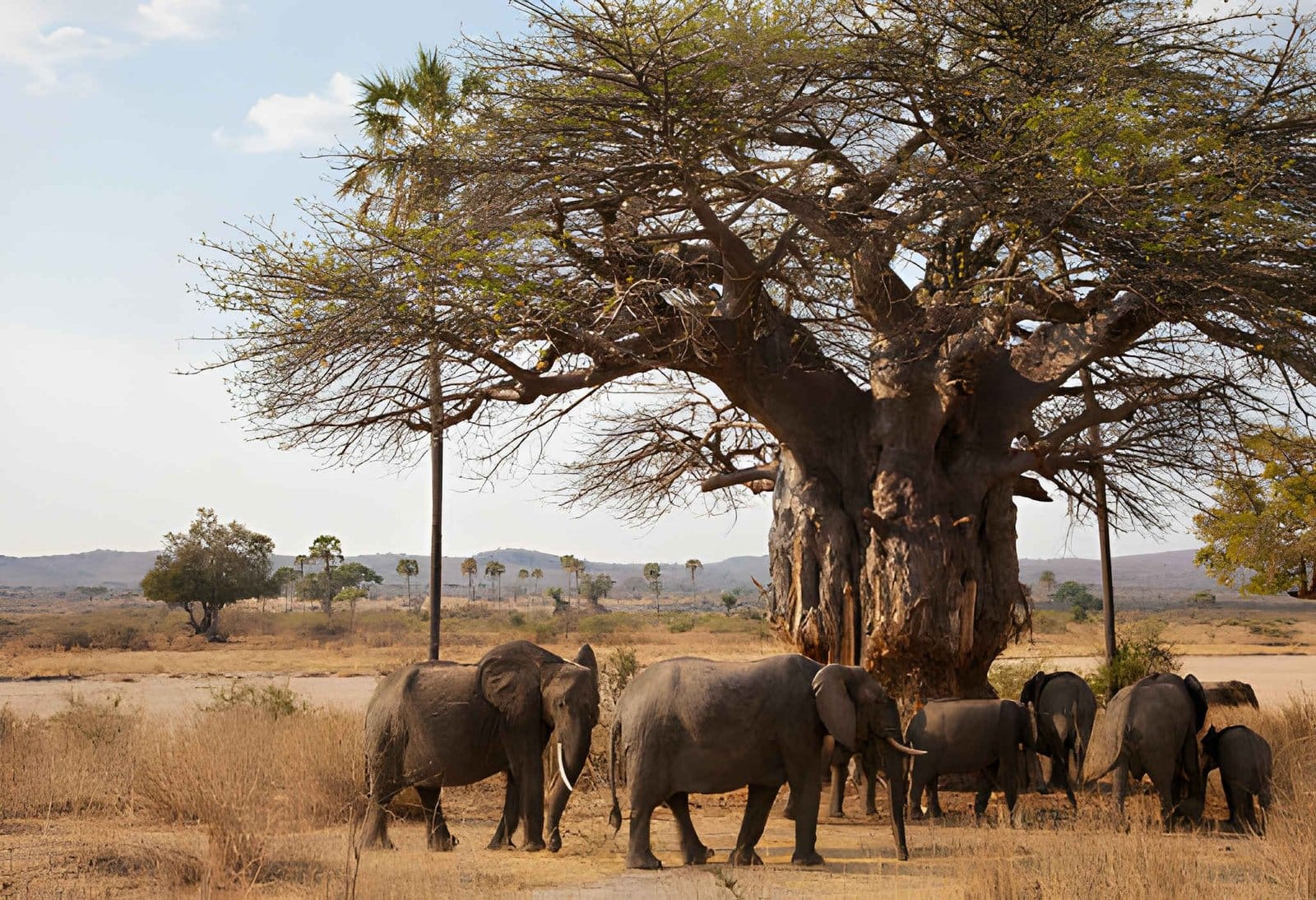
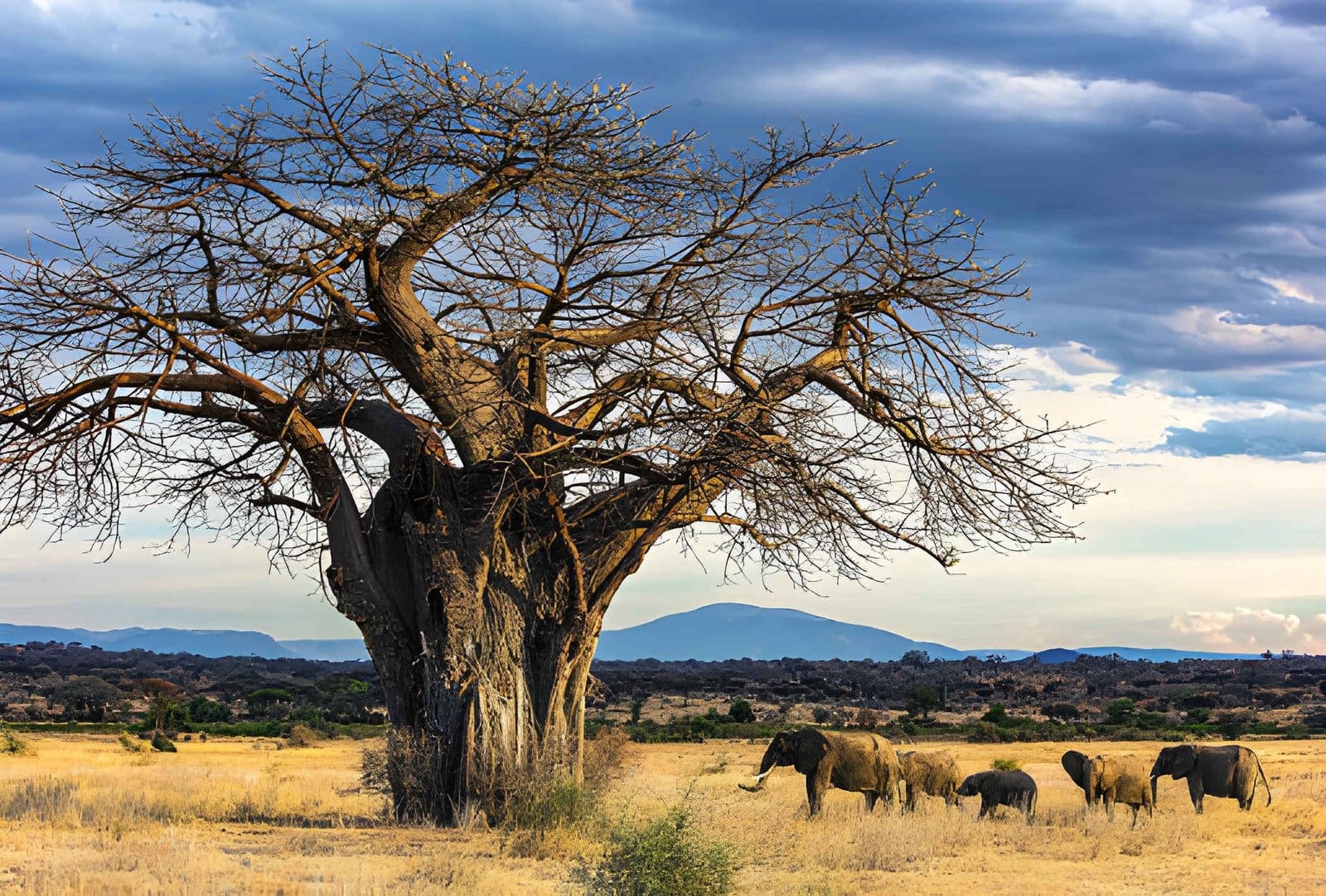
Home to the largest elephant herds in Tanzania and iconic baobab trees, with fewer crowds than Serengeti.
Best time: Jun–Oct (dry season). Recommended: 1–2 nights.
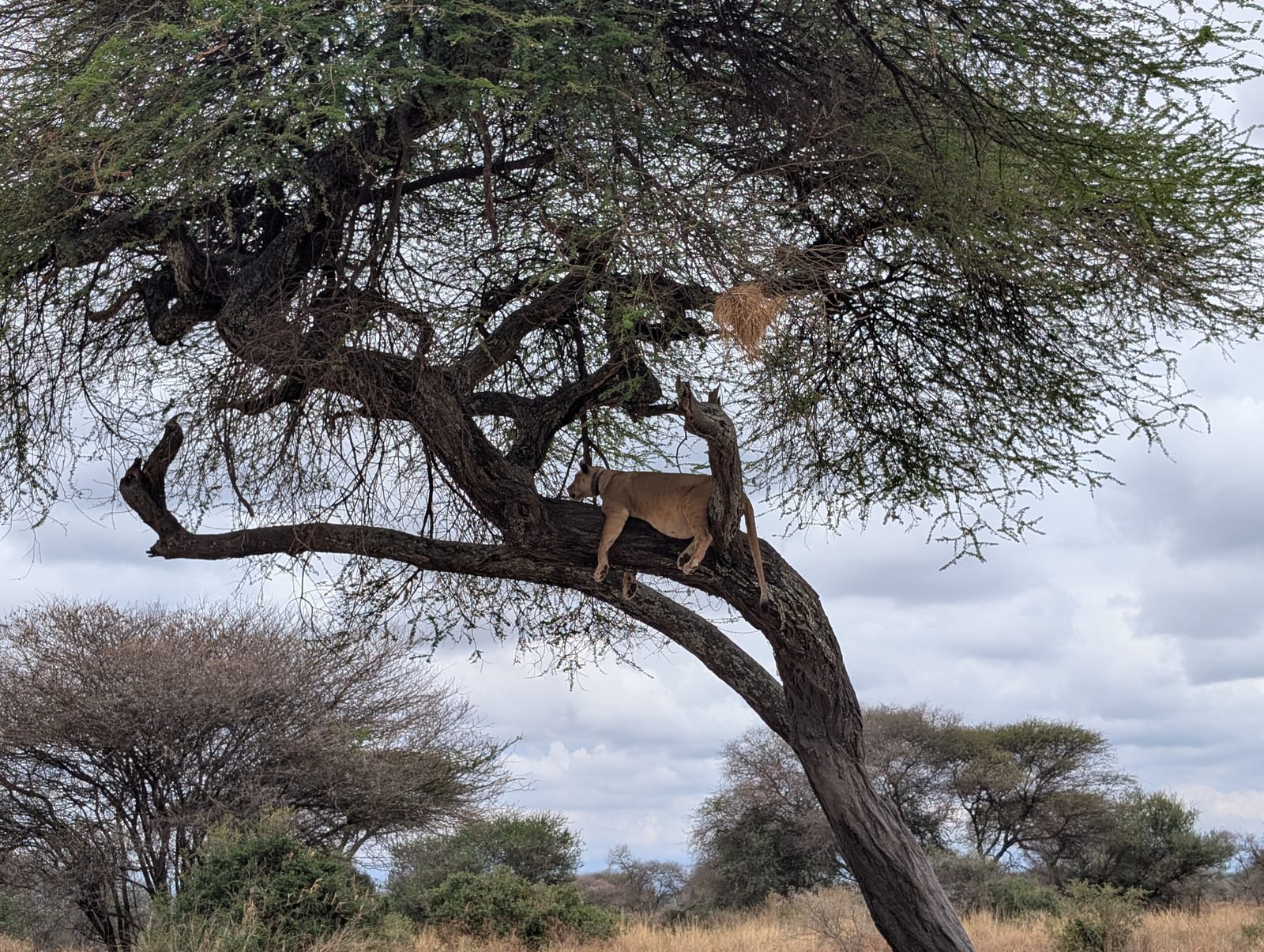
Lake Manyara
$$$
Entry: $53/day
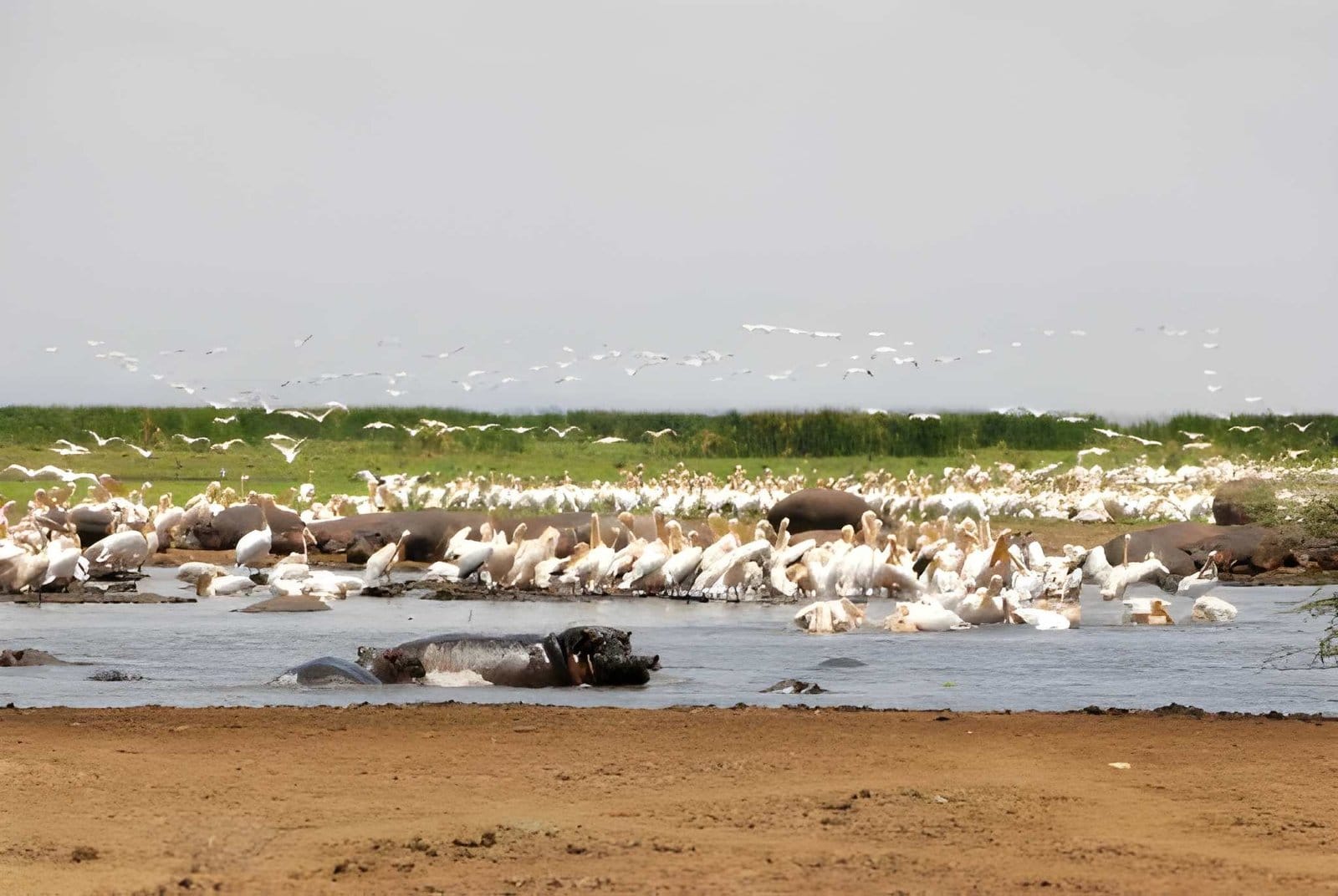
Famous for tree-climbing lions, flamingos on the soda lake, and a lush groundwater forest.
Best time: year-round. Recommended: 1 night.
Arusha National Park
$$$
Entry: $53/day
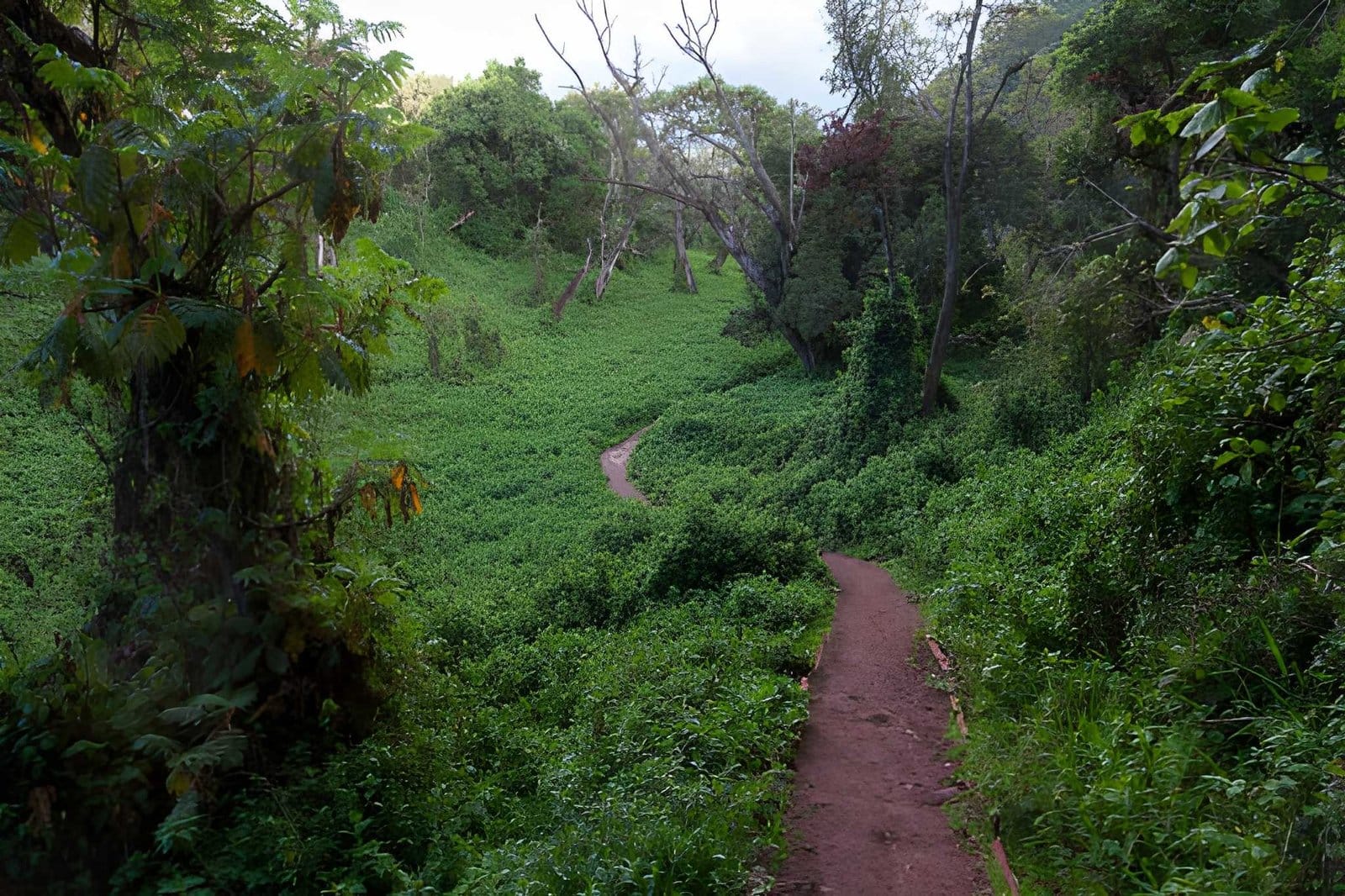
Walking safaris, Mount Meru views and colobus monkeys: a great half-day or full-day option.
Best time: year-round. Recommended: 1 day.
Mikumi
$$$
Entry: $35/day
"Little Serengeti": classic savannah wildlife, easy access from Dar es Salaam. Great for short, budget safaris.
Best time: year-round. Recommended: 1–2 nights.
Nyerere (Selous)
$$$
Entry: $53/day
Africa's largest protected area. Boat safaris on the Rufiji River, walking safaris, wild dogs, elephants and hippos.
Best time: Jun–Oct (dry). Recommended: 2–3 nights.
Ruaha
$$$
Entry: $35/day
Remote, wild and stunning: huge elephant herds, wild dogs and beautiful baobab landscapes.
Best time: Jun–Oct (dry). Recommended: 2–4 nights.
$ = most affordable (under $40 entry)
$$ = moderate ($40–$60)
$$$ = higher cost (over $60)
Budget strategy: if you're on a tight budget, focus on parks with lower entry fees: Mikumi ($35), Ruaha ($35), Tarangire ($53) and Lake Manyara ($53). Serengeti and Ngorongoro cost more but offer unmatched wildlife. Most travelers combine 2 days in Tarangire, 2 in Serengeti, 1 in Ngorongoro and 1 in Manyara.
Budget Accommodation: Real 2026 Prices
Rest easy
Your accommodation choice has the biggest impact on your safari budget. Here are honest options near the main parks, with current prices.
Public Campsites (inside parks)
$25–$30 per person / night
Serengeti, Ngorongoro, Tarangire
Basic facilities, incredible wildlife sounds. Seronera, Simba and Kikoti campsites are the most popular. Book early.
Budget Tented Camps
$80–$120 per person / night
Various parks
Walk-in safari tents with real beds and en-suite bathrooms: a great middle ground between camping and lodges.
Karatu Budget Lodges
$50–$80 per room / night
Karatu (near Ngorongoro)
Affordable lodges just outside Ngorongoro, much cheaper than the crater rim, with similar access.
Arusha & Moshi Guesthouses
$35–$60 per room / night
Arusha / Moshi
Basic but clean rooms with breakfast: a good base before and after your safari.
Accommodation tip: public campsites inside national parks fill up quickly in peak season (June–October). Book 2–3 months ahead. For budget lodges, check places just outside the parks: often 30–50% cheaper than inside.
Local Secrets: From Our Own Guides
From our own guides
Insider tips from our team of Tanzanian guides, things you won't find in a guidebook. These will save you money and improve your experience.
1.The "golden hour" secret
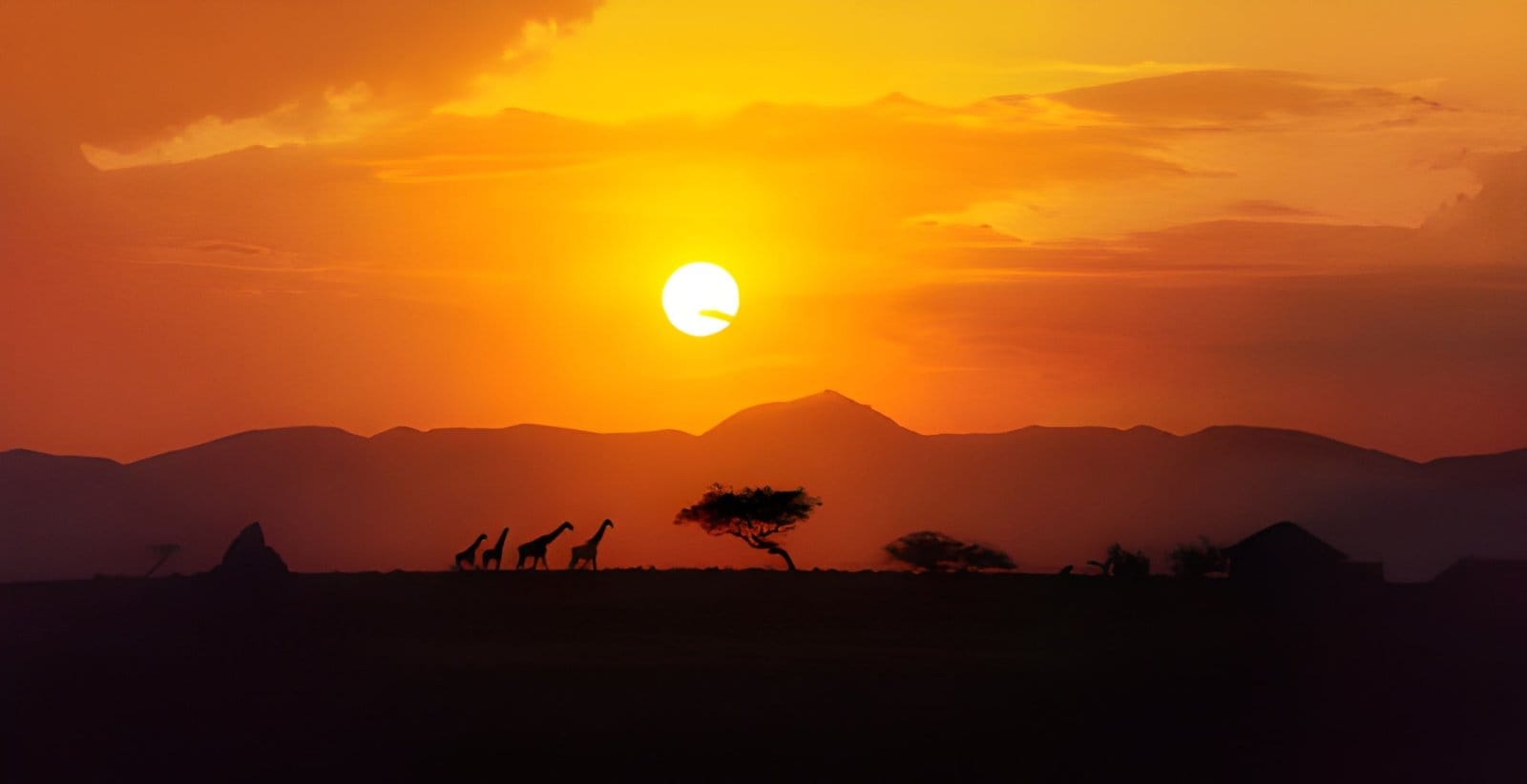
game drives are best at sunrise (6:00–8:30am) and late afternoon (4:00–6:30pm). Many budget travelers skip the early morning drive — don't be one of them.
2.Save on the crater fee
the Ngorongoro descent fee ($295 per vehicle) is expensive, but staying overnight on the rim for a full-day game drive gets far more value than a half-day.
3.Eat like a local
a plate of ugali with fish or meat at a local "mama lishe" stall costs $3–$5: safe, delicious and a fraction of tourist-restaurant prices.
4.Vehicle choice matters
for budget safaris, insist on a pop-up roof 4×4. Minibuses are cheaper but offer poor visibility and struggle on rough park roads.
5.Shoulder season sweet spot
November and December (short rains) are usually brief afternoon showers, not constant rain — and offer lower rates with the same incredible wildlife.
6.Stay outside the park
towns like Mto wa Mbu (near Manyara) or Karatu (near Ngorongoro) are 50–70% cheaper than lodges inside the park, while you still do full-day game drives.
7.The "early bird" strategy
leave camp at 5:30am to be first in the park, catch predators hunting, and beat the crowds that start arriving around 9am.
8.Low season is underrated
April and May bring short bursts of rain, incredibly green landscapes, spectacular birdlife, and the parks almost to yourself.
9.Tip well, tip wisely
the standard is $10–$20 per day for your guide and $5–$10 per day for camp staff, in cash.
10.Pack light
safari vehicles have limited space. A soft-sided duffel bag beats a hard suitcase.
Best Time to Go: Seasonal Guide
When to go
Tanzania is a year-round destination, but the wildlife experience changes with the seasons.
JanCalving begins · Warm & dry
FebPeak calving · Excellent viewing
MarCalving ends · Lush landscapes
AprLong rains · Lowest rates
MayRains taper · Excellent value
JunDry season · Grumeti crossings
JulMara crossings · Peak season
AugMara crossings · Busiest month
SepNorthern herds · Still busy
OctHerds move south · Good value
NovShort rains · Excellent value
DecGreen season · Great photography
Best budget-friendly windows: November–December (short rains) and March–May (long rains) offer lower rates, fewer crowds and lush landscapes: ideal for value-seekers.
Sample Itineraries
Day by day
A day-by-day look at what our most popular budget packages actually include.
3-Day Classic Serengeti Safari 3 days / 2 nights
Arusha → Serengeti Central → Ngorongoro → Arusha
Day 1: Arusha → Serengeti, game drive en route, overnight tented camp. Day 2: Full-day Serengeti game drive, overnight tented camp. Day 3: Ngorongoro Crater descent, return to Arusha.
Day 1: Arusha → Tarangire, afternoon game drive. Day 2: Tarangire → Serengeti, game drive en route. Day 3: Full-day Serengeti game drive. Day 4: Serengeti → Ngorongoro, crater descent. Day 5: Return to Arusha.
From $1,450 per person
Frequently Asked Questions
Your questions, answered
How much does a Tanzania budget safari cost?
Typically $150–$300 per person per day, depending on group size, season, accommodation and parks visited.
What is the cheapest month for a Tanzania safari?
April and May (the long rains) offer the lowest rates, with lush green landscapes and fewer crowds.
Which is the cheapest national park in Tanzania?
Mikumi, Arusha National Park and Lake Manyara have the lowest park entry fees.
Is camping safe on a Tanzania safari?
Yes, public campsites inside national parks are patrolled and widely used by budget travelers. Guides brief you on camp safety on arrival.
Can I negotiate safari prices in Tanzania?
Prices from licensed local operators are usually already fair and transparent. Be wary of unusually cheap quotes, since they often hide extra costs at the gate.
Do I need a private vehicle for a budget safari?
No, group-sharing safaris with 4–6 travelers significantly reduce the per-person cost while still giving everyone a window seat.
What is included in a budget safari package?
Typically a driver-guide, 4×4 vehicle, park fees, accommodation as specified, full board meals and drinking water. Always confirm exact inclusions before booking.
How far in advance should I book?
For peak season (June–October), book 3–6 months ahead. For shoulder and low season, 4–6 weeks is usually enough.
Book Your Budget Safari
Let's make it happen
Fill in the details below and our team will reply within 24 hours with availability and an exact price.
Ready to See Tanzania on Your Terms?
Get a free, no-obligation quote from a local Arusha operator: honest prices, no middlemen.